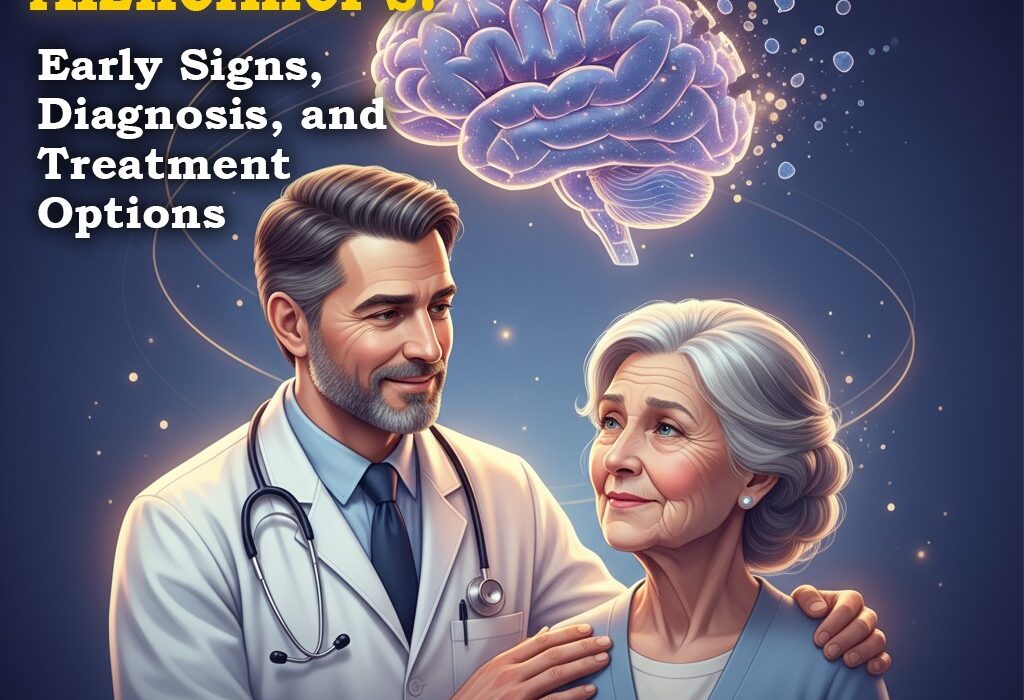
Picture this: You’re visiting your mother, and she repeats the same question three times within ten minutes. Or perhaps your father, who once navigated busy streets with ease, now struggles to find his way home from a familiar grocery store. Moments like these stop us in our tracks and make us ask—is this normal aging, or could it be Alzheimer’s?
If you’re noticing such changes in yourself or a loved one, you are not alone. Recognizing Alzheimer’s early signs is one of the most proactive steps toward maintaining quality of life.
The Hidden Epidemic: Alzheimer’s in India
In 2025, Alzheimer’s affects approximately 8.8 million Indians, with nearly 60% of dementia cases linked to it (ICMR Study 2025). AIIMS Delhi reports that early detection could delay symptom progression by up to 5 years with proper intervention.
Recognizing Alzheimer’s Early Signs: Beyond Forgetfulness
Memory lapses are normal, but repetitive questioning, forgetting recent information while remembering older events, and missing appointments despite reminders are clear red flags. Non-memory symptoms include mood swings, social withdrawal, and difficulty managing routine tasks.
Behavioral and psychological changes often appear first:
- Mood and Personality Shifts: sudden anxiety, irritability, depression after 60
- Executive Function Challenges: managing bills, following recipes, planning events
Indian families face unique challenges due to joint family structures masking early symptoms. Experts recommend regular cognitive assessments for adults over 60 (Geriatric Society of India, 2025).
Modern Diagnosis: How Far We’ve Come
Biomarker Testing: Blood-based tests at IISc Bangalore can detect Alzheimer’s proteins up to 15 years before symptoms appear, measuring plasma p-tau217 levels and amyloid beta ratios (IISc Research 2025).
Cognitive Assessments: The Montreal Cognitive Assessment (MoCA) and Hindi Mental State Examination (HMSE) now include culturally adapted versions for India.
Advanced Imaging: PET scans with new tracers from Bhabha Atomic Research Centre visualize tau tangles with high accuracy, offering early diagnosis at ₹50,000–80,000.
Treatment Landscape 2025: Hope on the Horizon
Breakthrough Medications:
- Lecanemab (Leqembi): Slows cognitive decline by 27% in early-stage patients, available in Apollo Hospitals.
- Donanemab: Phase 3 trials show promising results at AIIMS.
Integrative Indian Approaches:
- Ayurveda: Brahmi supplementation, Ashwagandha, and Panchakarma protocols enhance cognitive outcomes (Ayurveda Journal 2024).
- Yoga & Meditation: NIMHANS studies show Kundalini yoga improves memory scores by 23%.
Lifestyle Interventions:
- MIND-India Diet: Turmeric, green leafy vegetables, whole grains, nuts, limited red meat and fried foods.
- Cognitive Engagement: Learning languages, playing chess or carrom, participating in singing groups, using digital brain training apps.
The Caregiver’s Journey: Support in India
Support is growing:
- Day Care Centers: 200+ centers with subsidies for BPL families.
- Telemedicine: Dementia consultations via MediBuddy and Practo.
- Caregiver Training: “Dementia Friend” initiative has trained 100,000+ caregivers.
Technology Solutions in 2025
- AI Monitoring Apps: Detect gait and speech changes.
- Virtual Reality Therapy: Reduces agitation by 35% (IIT Bombay VR Study).
- GPS Wearables: Affordable devices (₹3,000–5,000) for patient safety.
Looking Ahead: Reasons for Optimism
Government and private-public initiatives, including NPHCE protocols and awareness campaigns, are improving accessibility and treatment options. Research suggests addressing modifiable risk factors can prevent up to 40% of dementia cases (Centre for Chronic Disease Control, 2025).
Taking Action Today
- Document Changes: Note specific behavioral shifts.
- Schedule Assessment: Cognitive screening at the next medical visit.
- Connect with Support: ARDSI WhatsApp groups for local guidance.
- Lifestyle Modifications: Adopt brain-healthy habits immediately.
- Financial Planning: Explore dementia-care insurance.
Conclusion:
Early detection of Alzheimer’s empowers families and individuals. Knowledge, timely intervention, and access to emerging treatments transform the journey from fear to hope.