World Thalassaemia Day 2026: Awareness, Care & Best Treatment
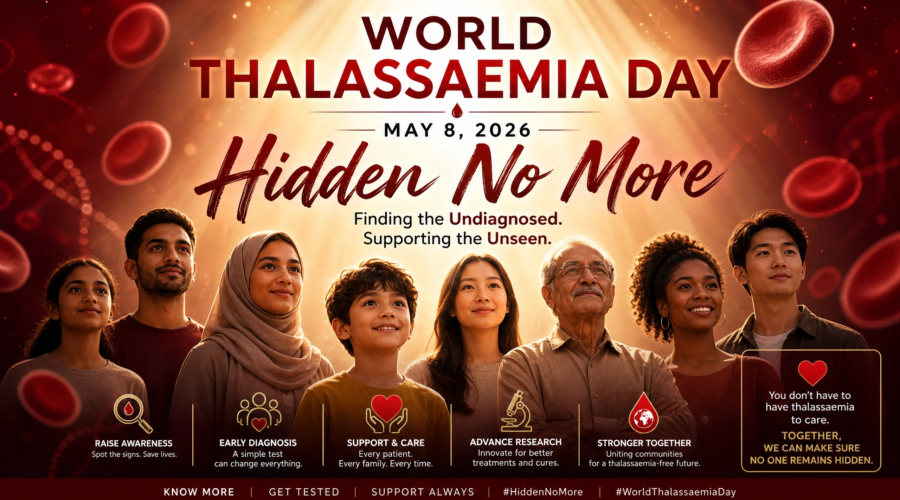
World Thalassaemia Day 2026: Everything You Need to Know About Thalassemia Awareness, Care, and Treatment. World Thalassaemia Day, observed annually on May 8th, is a global health awareness event dedicated to raising public understanding of thalassemia—a group of inherited blood disorders that reduce the production of hemoglobin. This day highlights the challenges faced by patients, promotes early diagnosis, and emphasizes access to quality care. In 2026, the theme will focus on “Empowering Patients, Strengthening Care,” encouraging communities worldwide—including in Kolkata—to take action. Whether you’re a patient, caregiver, or healthcare provider, understanding thalassemia is the first step toward better health outcomes. Early detection through newborn screening and regular blood transfusions can significantly improve quality of life. For families in Kolkata seeking expert care, consulting a top pulmonologist in Kolkata can help manage complications such as iron overload or infections that often accompany thalassemia. What Is Thalassemia and Why Does It Matter? Thalassemia is a genetic blood disorder caused by mutations in the genes responsible for producing hemoglobin, the protein that carries oxygen in red blood cells. Without enough healthy hemoglobin, the body’s organs don’t get enough oxygen, leading to anemia, fatigue, and other serious health issues. There are two main types: alpha thalassemia and beta thalassemia. Beta thalassemia major—the most severe form—requires regular blood transfusions to survive. Globally, over 1.5 million people are diagnosed with thalassemia each year, with India accounting for a significant portion. In Kolkata, awareness and early intervention remain critical due to high carrier rates in certain communities. Access to a top pulmonologist in Kolkata can be crucial for managing respiratory complications that may arise as secondary conditions. Common Thalassemia Symptoms to Watch For Thalassemia symptoms vary by type and severity but often appear in early childhood. Recognizing them early can lead to timely medical intervention. Symptoms include: Fatigue and weakness: Persistent tiredness even after rest, due to severe anemia. Pale or yellowish skin: A sign of jaundice caused by the breakdown of red blood cells. Slow growth and delayed puberty: Common in children with beta thalassemia major. Bone deformities: Especially in the face and skull due to bone marrow expansion. Dark urine: Indicates excess bilirubin from red blood cell destruction. Shortness of breath: Often worsened by anemia and may require evaluation by a pulmonologist in Kolkata to rule out lung or heart complications. World Thalassaemia Day 2026: Theme, Goals, and Global Initiatives The official theme for World Thalassaemia Day 2026 is “Empowering Patients, Strengthening Care,” emphasizing patient rights, access to treatment, and reducing stigma. The Thalassaemia International Federation (TIF) leads global efforts, advocating for: Universal newborn screening: Early diagnosis within the first year of life to prevent complications. Free or subsidized blood transfusions in low-resource settings. Increased availability of iron chelation therapy to prevent iron overload from frequent transfusions. Education campaigns: Targeting schools, colleges, and workplaces to spread awareness about carrier detection. Policy change for thalassemia inclusion in national health programs. In India, the Ministry of Health has integrated thalassemia screening into the Reproductive and Child Health Programme, aiming to reduce the birth of children with severe thalassemia by 50% by 2026 through premarital and antenatal testing. Thalassemia Treatment: What Are the Best Options Available in Kolkata? Treatment for thalassemia depends on the type and severity. While there’s no cure for most forms, advanced medical care can help patients live long, fulfilling lives. The best thalassemia treatment in Kolkata includes: Standard Treatment Modalities Blood transfusions: Regular transfusions every 2–4 weeks to maintain normal hemoglobin levels. Maintains organ function and prevents growth failure. Iron chelation therapy: Medications like deferoxamine, deferiprone, or deferasirox to remove excess iron from the body, preventing organ damage (heart, liver, endocrine glands). Folic acid supplements: Supports red blood cell production. Bone marrow transplant (BMT): The only curative treatment, offering a permanent cure for beta thalassemia major. Success rates exceed 90% when performed in specialized centers with experienced hematologists. Gene therapy: An emerging treatment where defective genes are corrected using viral vectors. Clinical trials are ongoing, with promising results in Europe and the U.S. Where to Find the Best Thalassemia Treatment in Kolkata Kolkata is home to several leading healthcare institutions offering comprehensive thalassemia care: Institute of Haematology & Transfusion Medicine (IHTM), Medical College & Hospital: A pioneer in thalassemia management with dedicated transfusion units and iron chelation support. Apollo Gleneagles Hospitals: Offers bone marrow transplant programs and advanced pediatric thalassemia care under expert hematologists. Peerless Hospital: Known for multidisciplinary care, including cardiology and endocrinology consultations for thalassemia-related complications. AMRI Hospitals: Provides specialized thalassemia clinics with access to genetic counseling and prenatal diagnosis. For families seeking holistic care, pairing hematology support with a pulmonologist in Kolkata is advisable, as chronic anemia can strain the heart and lungs over time, leading to pulmonary hypertension or infections. Thalassemia Treatment Guidelines: What Do International Experts Recommend? Thalassemia treatment guidelines are regularly updated by global health bodies like the World Health Organization (WHO) and the Thalassaemia International Federation (TIF). The key recommendations include: Diagnostic and Monitoring Guidelines All newborns should undergo hemoglobin electrophoresis within 48 hours of birth. Carrier screening for couples before marriage or pregnancy is strongly advised in high-prevalence regions. Regular monitoring of ferritin levels every 3–6 months to assess iron overload. […]