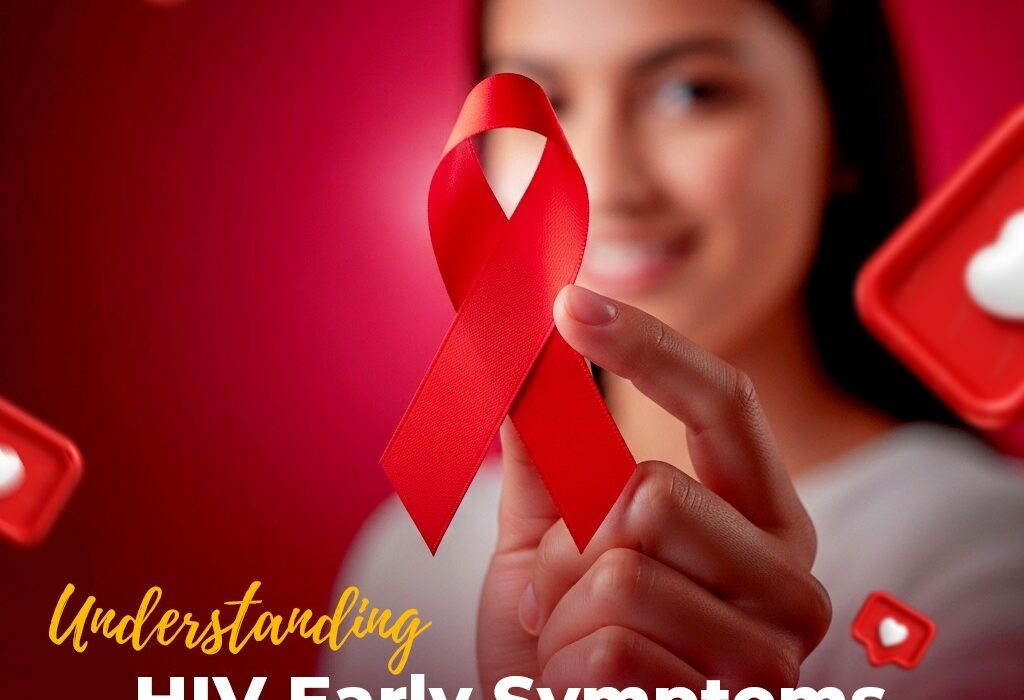
Every year, December 1st marks a moment of global solidarity, but World AIDS Day 2025 feels different. We are standing at a pivotal intersection of medical history. We are closer than ever to ending the HIV/AIDS epidemic, yet millions of people still walk around unaware of their status due to a lack of knowledge about HIV symptoms and fear of stigma.
This year, the message isn’t just about remembering those we’ve lost; it’s about aggressive action. It reminds us of the collective responsibility we share in spreading AIDS awareness, supporting affected individuals without judgment, and preventing new infections.
Despite massive advancements in antiretroviral therapy (ART), misinformation persists. This article cuts through the medical jargon to simplify the essential HIV facts so that you—and your loved ones—can take informed steps toward a healthier future.
What Is HIV? (Understanding the Basics)
HIV Symptoms & Transmission Facts
To understand the solution, we first have to understand the challenge. HIV (Human Immunodeficiency Virus) is a virus that targets the immune system, specifically the CD4 cells (T cells), which are your body’s defense against illness. If left untreated, HIV reduces the number of these cells, making the body vulnerable to infections it would normally fight off.
If not managed, HIV can progress to AIDS (Acquired Immunodeficiency Syndrome). However, it is crucial to note that HIV is not AIDS. With modern medication, people with HIV live long, healthy lives without ever developing AIDS.
One of the biggest hurdles we face as we approach World AIDS Day 2025 is that many HIV symptoms appear late or are mistaken for the common cold. This delay in detection allows the virus to spread and damage the immune system silently.
Early HIV Symptoms You Should Not Ignore
Recognizing Early HIV Symptoms
Early detection is the ultimate game-changer. According to data from organizations like NACO (National AIDS Control Organisation) and global health bodies, early diagnosis significantly improves life expectancy. Here is what you need to look out for.
Flu-Like Symptoms in the Early Stage
About 2 to 4 weeks after infection, many people experience what is known as “seroconversion illness.” This feels exactly like a bad flu—fever, sore throat, severe fatigue, and muscle aches. Because these symptoms usually disappear on their own after a few weeks, they are often dismissed.
Swollen Lymph Nodes
Your lymph nodes are the rigorous defenders of your immune system. When they swell—particularly in the neck, armpits, or groin—it’s a sign your body is actively fighting an infection. Persistent swelling without a clear cause should prompt a test.
Weight Loss & Night Sweats
While often associated with later stages, rapid, unexplained weight loss and drenching night sweats can occur earlier. If you are waking up with sheets soaked in sweat despite a cool room, your body might be signaling distress.
Skin Rashes & Mouth Ulcers
Unusual rashes that don’t itch or go away with standard creams, along with stubborn mouth ulcers, can be early indicators.
Note: Not everyone experiences these symptoms. The only way to be 100% sure is to get tested.
How Does HIV Spread? (Understanding HIV Transmission)
Truths About HIV Transmission
There is perhaps no other virus in history as misunderstood as HIV. Myths about HIV transmission fuel stigma, isolating those who need support the most. Let’s set the record straight for World AIDS Day 2025.
HIV spreads only through specific body fluids: blood, semen, vaginal fluids, rectal fluids, and breast milk. The most common modes of transmission include:
- Unprotected sexual contact: This remains the primary driver of new infections globally.
- Sharing infected needles: A significant risk factor, particularly within communities struggling with substance abuse.
- Transmission from mother to child: This can happen during pregnancy, birth, or breastfeeding (though medical intervention has drastically reduced this risk).
- Blood transfusions: While rare today due to rigorous screening, it remains a historical mode of transmission.
What DOESN’T Spread HIV:
It is vital to reiterate these HIV facts: You cannot get HIV from hugging, shaking hands, sharing toilets, sharing dishes, or mosquito bites. Understanding this is key to ending discrimination.
Prevention Tips for World AIDS Day 2025
Essential HIV Prevention Tips
Prevention is the strongest tool in our arsenal. As we observe World AIDS Day 2025, here are actionable steps everyone should incorporate into their lifestyle.
Practice Safe Sex
Using condoms correctly and consistently is highly effective in preventing HIV transmission and other STIs.
Take HIV Tests Regularly
Testing should be as routine as a dental check-up. It is simple, fast, and often free at government centers. Knowing your status empowers you to take control of your health.
Consider PrEP Medication
PrEP (Pre-Exposure Prophylaxis) is a daily pill for people who do not have HIV but are at risk of getting it. When taken as prescribed, PrEP reduces the risk of getting HIV from sex by about 99%.
Know Your Partner’s HIV Status
Open, honest conversations about sexual health are sexy. Transparency helps both partners stay safe and builds trust.
The U=U Concept
An important message for 2025 is “Undetectable = Untransmittable.” Scientific research has proven that a person living with HIV who is on effective treatment and has an undetectable viral load cannot sexually transmit the virus to their partners.
Breaking the Stigma Around HIV
AIDS Awareness & Social Support
The virus kills the body, but stigma kills the spirit. On online forums like Quora and in local support groups, the recurring theme isn’t just the fear of illness—it’s the fear of rejection.
HIV is a medical condition, not a moral failing. Stigma prevents people from getting tested and accessing treatment. On World AIDS Day 2025, let’s pledge to support affected individuals, encourage testing among our friends, and treat everyone with dignity. We must move from a culture of judgment to a culture of care.
Conclusion: Your Role in World AIDS Day 2025
Creating an AIDS-free world begins with a single individual: You.
By understanding HIV symptoms, preventing transmission, and promoting compassion, we can ensure a safer future for everyone. The goal of World AIDS Day 2025 isn’t just to wear a red ribbon; it’s to be proactive about your health and the health of your community.
Do not wait for symptoms to appear. Visit your nearest ICTC (Integrated Counseling and Testing Center) or healthcare provider today. Let’s end the silence, end the stigma, and end the epidemic together.